




I have worked to promote equitable, inclusive services for diverse populations throughout my professional life. My first experience creating opportunities for members of another culture was the year I spent as a volunteer ESL instructor at an orphanage near Sofia, Bulgaria. Children and youth with disabilities and those of Romany descent were frequently excluded from games and activities by the other children at the orphanage. To help ameliorate their alienation, I created lesson plans that taught my students English language skills as well as cultural sensitivity.
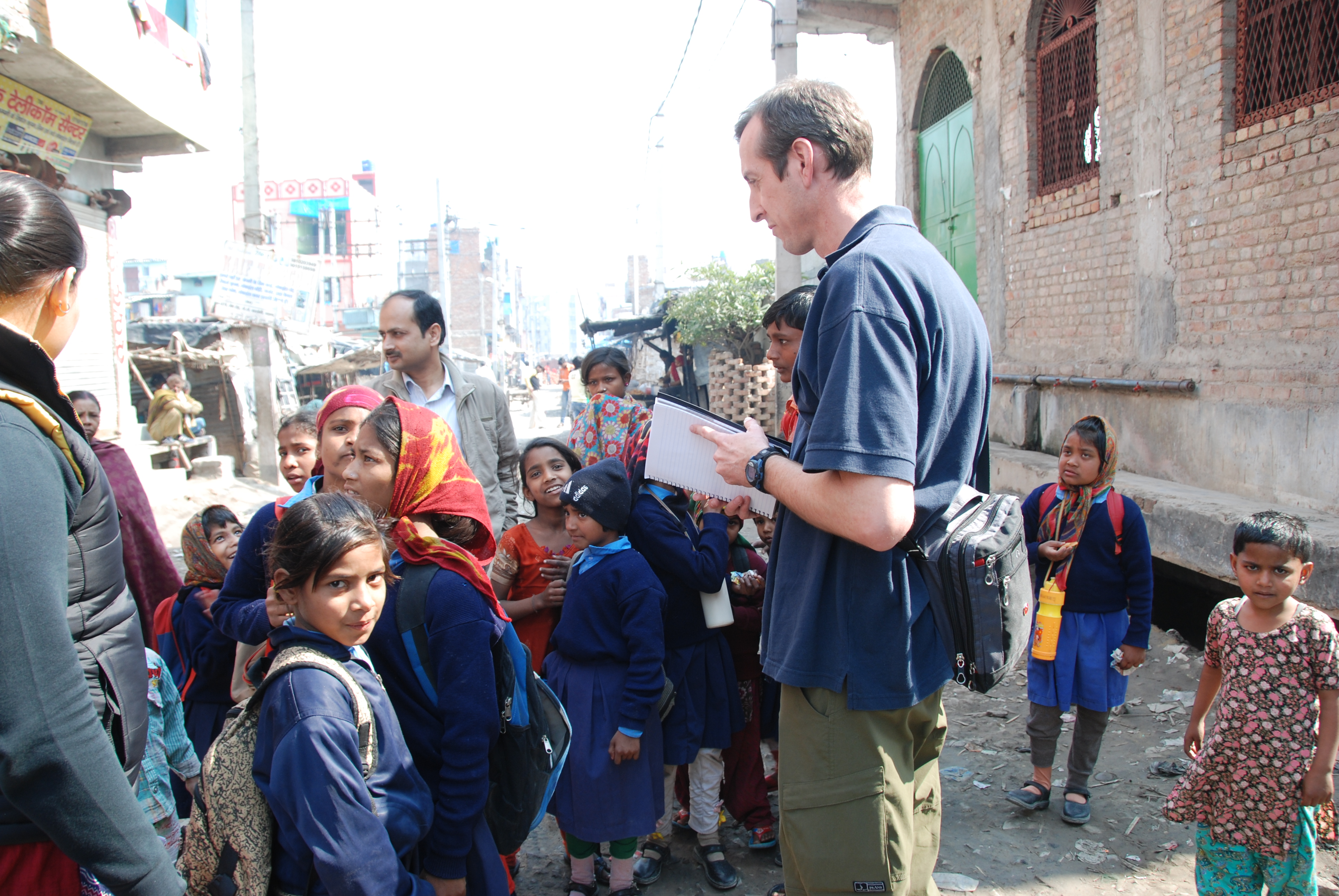
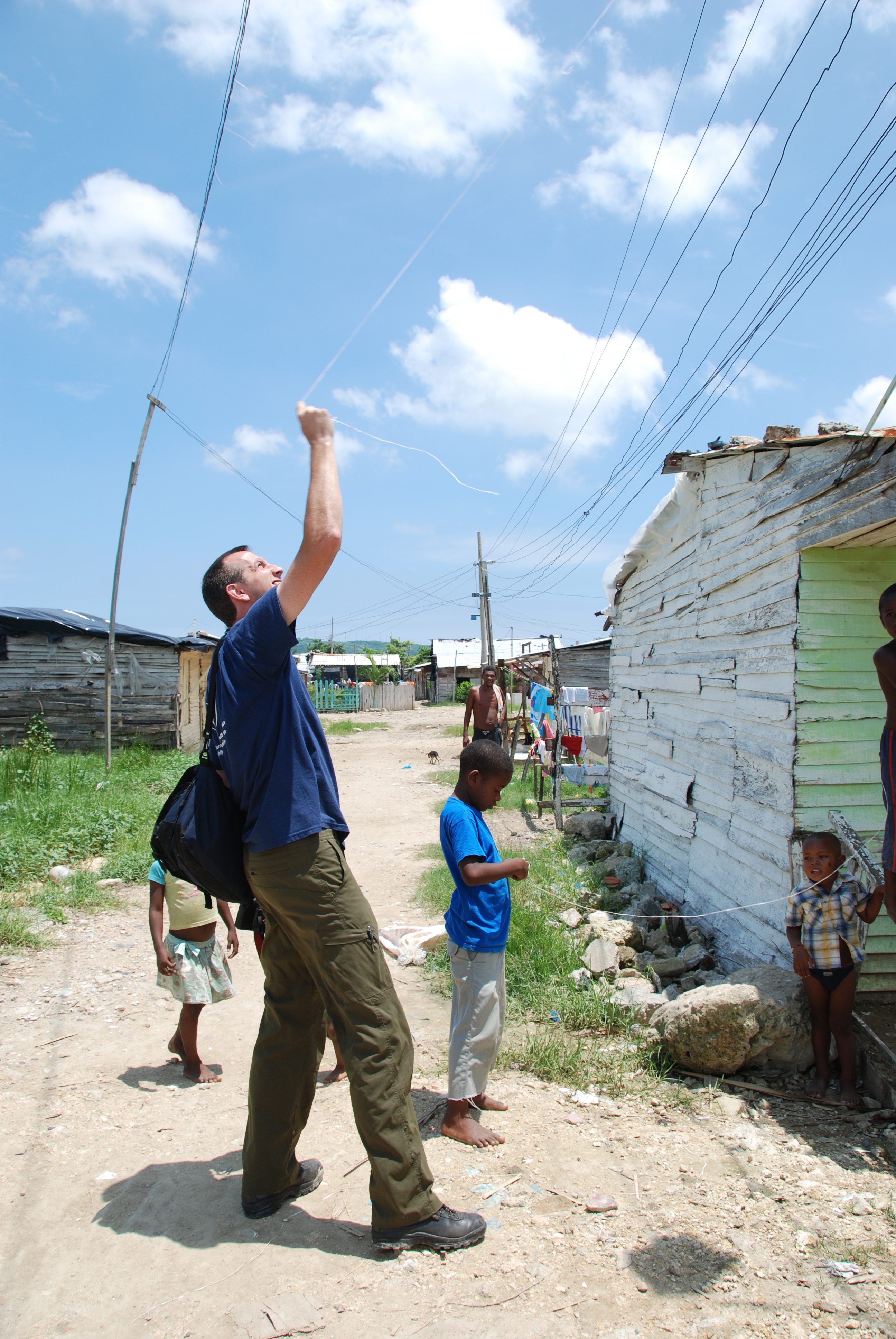
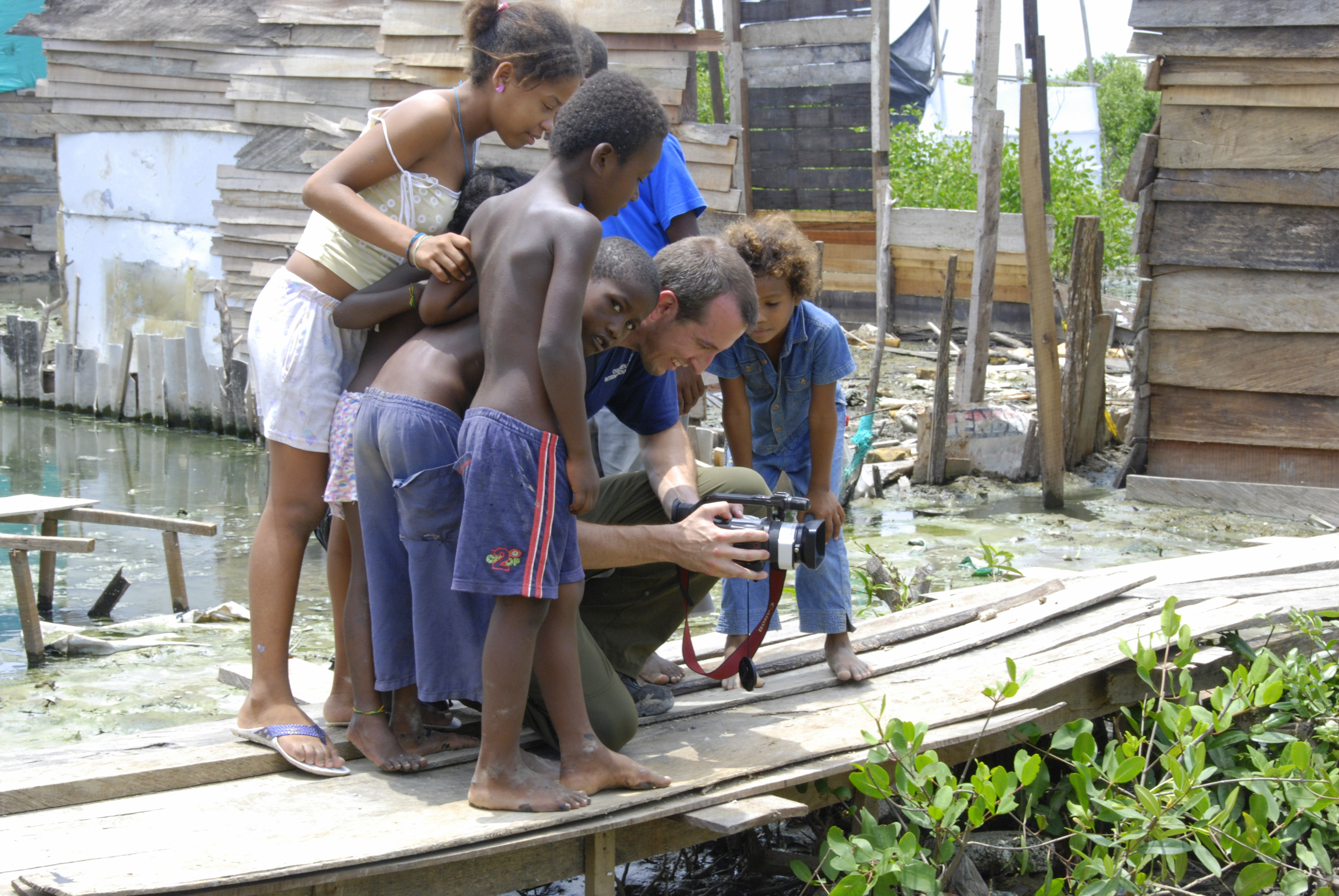
Later, as a writer with a humanitarian organization, I advocated for the needs of children and families living in the most impoverished communities around the world. I created articles and videos to educate donors about the hardships faced by the beneficiaries we served and celebrate the beneficiaries’ personal and collective attributes, as well as their distinct ethnic and cultural heritages. This often entailed promoting programs that created greater gender equity and opportunity in heavily patriarchal societies, petitioning municipal government officials in our service areas to increase or improve services for marginalized groups and internally displaced persons, and creating campaigns to challenge stigmas and prejudices about disenfranchised communities to help individuals in those communities build social capital and attain social justice.
During my tenure as the grants and communications specialist with Cornerstones of Care, a social services organization, I helped develop campaigns and raise funds to destigmatize mental illness and provide cultural competence training to the broader community. Many of the grants I wrote were designed to provide behavioral healthcare to low-income households and under-resourced communities. I also wrote grants and created marketing materials to maintain and expand residential and family reunification services for children and youth in state custody, a disproportionate percentage of whom are black.
Shortly thereafter, as the Assistant Director of the Cookingham Institute of Urban Affairs, I researched and promoted inclusive and culturally competent policies pertaining to affirmatively furthering fair housing and youth homelessness. One of my key responsibilities was to report on, and enact, best practices to increase equitable and inclusive services for young people from populations who face a higher risk of homelessness, specifically LGBTQ youth, pregnant and parenting youth, black and Hispanic youth, and young people aging out of foster care or exiting the juvenile justice system. One way I did this was by helping the Greater Kansas City Continuum of Care carry out community surveys with area youth who have experienced homelessness to identify their needs and interests and also by helping a youth advocacy group play a more prominent leadership role in local, state, and regional efforts to end homelessness.
Recently, as the Director of Communications for the Hmong American Partnership, I promoted the interests of our immigrant and refugee clients from Hmong, Karen, Somali, and Ethiopian communities. I helped increase community awareness of, and access to, culturally appropriate job training, healthcare, and education. Beyond sharing the stories and achievements of our clients to amplify their voices, I also advocated for more equitable allocations of resources to ensure that they were fairly represented and supported as constituents of their counties and state.
The chief lesson I learned from all of these experiences is that the beneficiaries of services should themselves play a central, fundamental role in the adaptive processes that influence policies and programs that affect them. They teach cultural competence to policymakers, public officials, and service providers; they impart firsthand knowledge about community networks; and they are instrumental in building trust, support, and social capital throughout the community. Their participation is essential to our collective social and economic success.
 damonguinn.com